
Sump pump down during a storm: what to do first
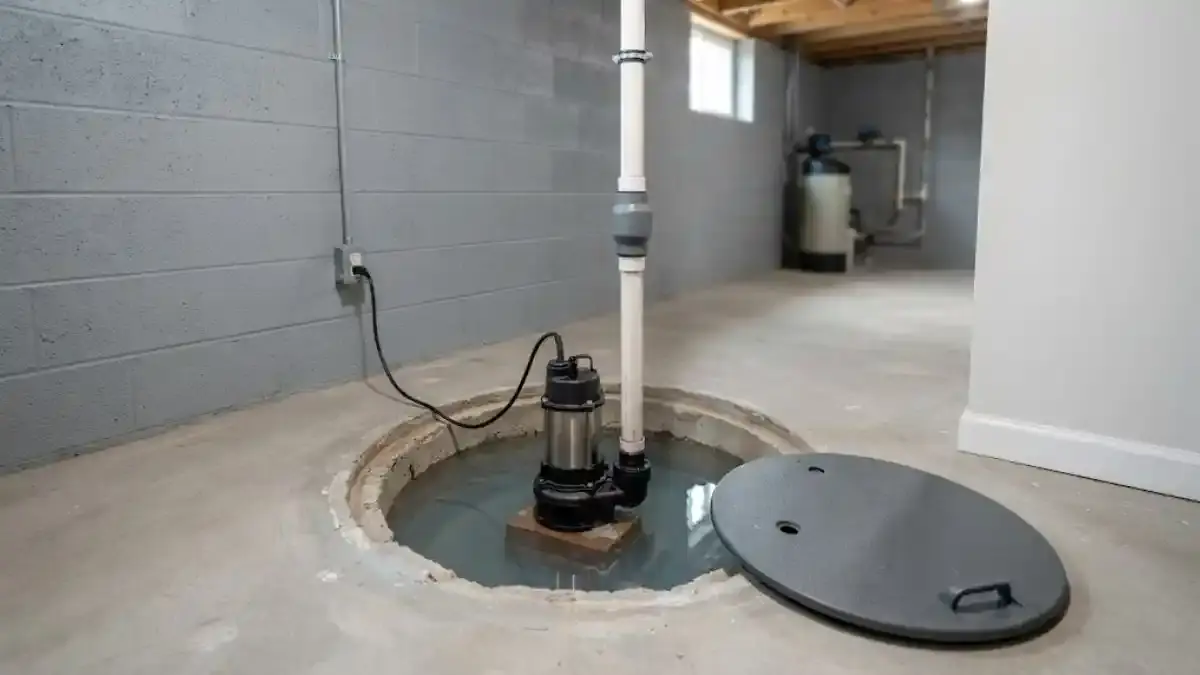
A sump pump is a small pump in a pit at the lowest point of a basement or crawlspace. It moves groundwater out and away from the foundation before the water reaches the floor. When it stops during heavy rain, the 24/7 emergency line sends a licensed plumber nights, weekends and holidays, because the water keeps rising while you wait.
If water is already on the floor, keep away from it if any outlet, power strip or appliance is wet, and cut power at the panel only if you can reach it on dry ground. Move boxes and electronics up. Do not run a shop vacuum in standing water that touches wiring. If the water is dark or smells of sewage, tell the dispatcher, because that points to a different system and different risks.
Why heavy rain, not age, causes most failures
Radcliff sits on karst terrain, which is why a pump emergency here usually follows rain. The 2023 Lincoln Trail hazard mitigation plan says the city drains into 86 known sinkholes, and the Quiggins Sinkhole in the Happy Valley watershed flooded in 2008. FEMA's assessment in that plan says as little as one inch of rain over six hours could cause major flooding there, and a large FEMA grant project is building four retention basins and expanding a fifth.
What that means for your pump is simple. Water has places to go, and when the ground fills fast, the pit fills fast too. A pump that handles a normal spring may be overwhelmed by a single hard storm, and a pump with a weak float or a clogged discharge fails exactly then. Test it before the forecast, not during.
Not every Radcliff home has a basement or crawlspace pit. Many are on slabs, and some crawlspaces stay dry year round. If you are not sure you need a pump, a plumber can look at the lowest level and tell you.
The parts of a sump system
Knowing the parts helps you describe the problem on the phone:
- Pit: a lined basin set into the floor that collects water from drain tile or soil around the foundation.
- Pump: the submersible motor that pushes water out. It sits on the pit floor.
- Float switch: a buoy or sensor that starts the pump when water rises and stops it when the level drops.
- Check valve: a one-way valve on the outlet pipe that stops pumped water from falling back into the pit.
- Discharge line: the pipe that carries water out of the house and away from the foundation.
- Battery backup: a second pump with its own battery that runs when power fails, which tends to happen during storms.
Symptoms that something is wrong
A pump usually warns before it dies:
| What you see or hear | Likely cause | Typical fix |
|---|---|---|
| Runs nonstop | Stuck float, failed check valve or water flowing back | Reset or replace the float, replace the valve |
| Never runs, pit is full | Dead motor, tripped breaker or float stuck low | Check power, then replace pump if the motor is dead |
| Loud grinding or rattling | Worn bearings or debris in the impeller | Clear debris or replace pump |
| Turns on and off every few seconds | Float set too tight, or the pit is too small | Reposition float, check pit size |
| Water in the pit but not leaving the house | Frozen or blocked discharge line | Clear the outlet and check the slope |
| Bad smell from the pit | Stagnant water or sewage entering | Inspect for a sewer connection and ask about ejector use |
Repair or replace the pump
A failed float or check valve is a repair. The pump itself is fine, and swapping the part is a short visit. A dead motor, a seized impeller or a pump that has run its life is a replacement. Many pumps last around a decade, though heavy use, silt and a clogged intake shorten that.
Repair is reasonable when the pump is fairly new and the problem is an accessory part. Replacement makes sense when the pump is old, noisy, or has been repaired once already. The plumber will pull the pump, check the pit for silt and debris, and tell you which route fits. If the pit is cracked or undersized, that is worth fixing at the same time.
A storm-prep test you can do yourself
Do this a few times a year, and always before a heavy forecast:
Look at the pit
Remove debris, and make sure the pump sits upright on a flat base.
Pour in water
Add a few buckets slowly and watch the float rise and the pump start.
Listen and watch
The pump should run smoothly and empty the pit, then stop without chattering.
Check the outside outlet
Make sure the discharge pipe is clear, not buried and not blocked by leaves or ice.
Test the backup
If you have a battery backup, unplug the main pump and confirm the backup runs.
Where the water should go
The discharge should end well away from the foundation, on ground that slopes away from the house. Water that comes out near the wall can run back down into the same drain tile and cycle through the pit again. Pumping it onto a neighbor's lot or into a street creates its own issues.
Rules about where sump water may be discharged vary, so ask the city before you change the outlet. Your plumber can see where yours ends. If you are unsure, say so when you call.
Sump pumps compared with ejector pumps
These two are often confused, and the difference matters for repair:
| Feature | Sump pump | Ejector pump |
|---|---|---|
| What it moves | Groundwater and drain tile water | Wastewater and solids from below-grade fixtures |
| Typical location | Pit near the foundation drain | Sealed pit under a basement bathroom or laundry |
| Smell | Little to none | Sealed and vented because of sewage gas |
| Failure sign | Water on the basement floor | Fixtures slow or back up in the basement |
| Related service | Persistent water calls for waterproofing work | A blocked main needs sewer line cleaning |
Battery backup and power loss
Storms that bring heavy rain often bring power outages. A pump without power is just a bucket, and that is the classic storm emergency. A battery backup pump has its own battery and float, and it takes over if the main pump or the power fails.
Batteries wear out and the backup needs a test of its own. Ask the plumber to check the charge and the age of the battery when the pump is serviced. If you have no backup, adding one is a planned job, and it can be done any day, not only in a storm.
What moves the price of a sump pump repair
A clear price is given before work starts. These are the factors:
A float switch or check valve is a smaller repair than a new pump, and a pump with a higher capacity costs more than a basic one.
A silted, cracked or undersized pit may need cleaning or replacement along with the pump.
A blocked or poorly sloped outlet line may need rerouting or extending.
Adding a battery backup brings a second pump, battery and wiring.
An after-hours storm call differs from a same-day appointment, when available.