
First, stop the water from rising
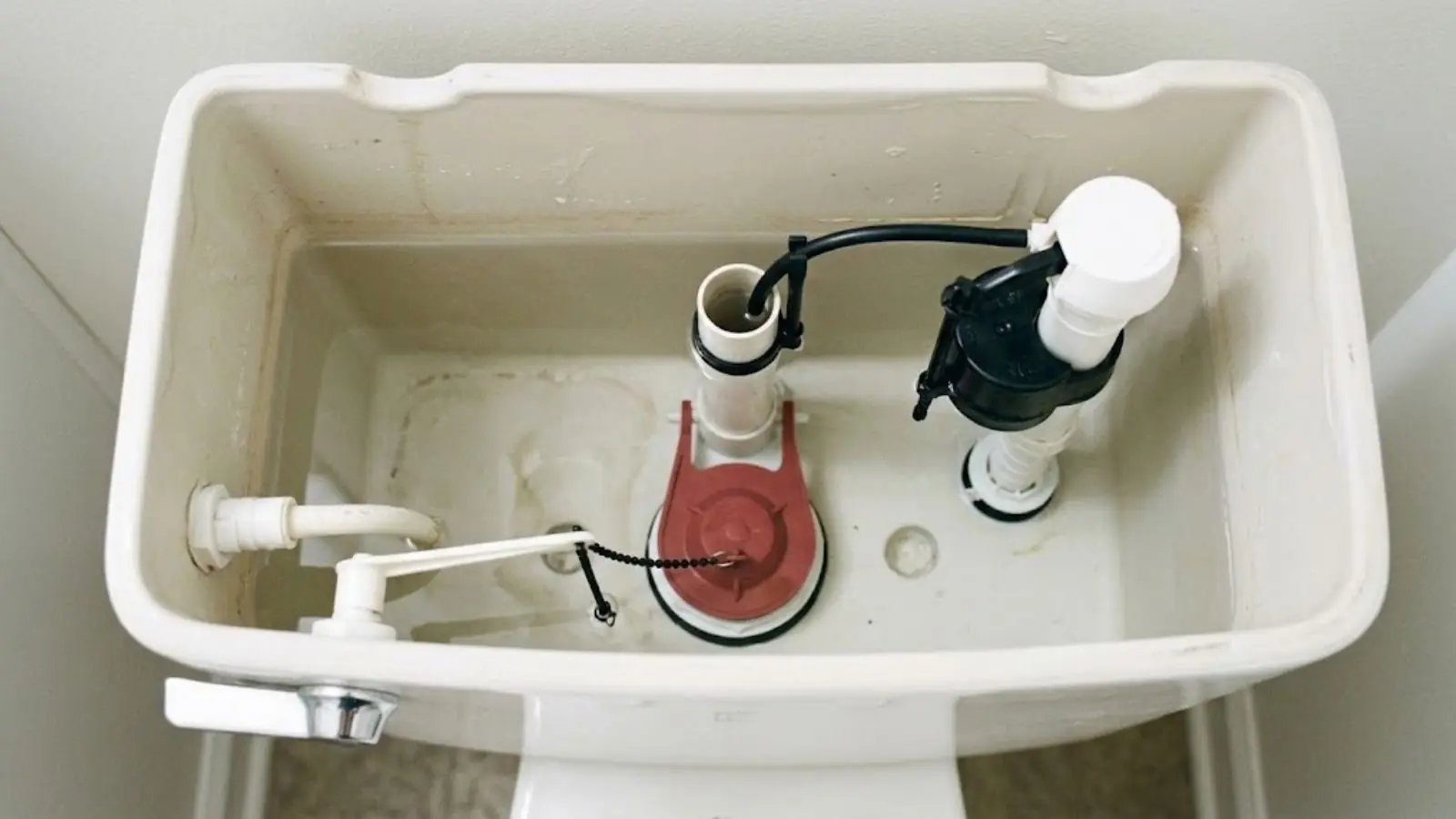
If the bowl is filling toward the rim, do not flush again. Take the tank lid off and push the flapper down, or reach behind the toilet and turn the supply valve clockwise to stop more water entering the tank. Either move buys you time.
Then put on rubber gloves, lay old towels around the base, and open a window if you can. Clog water can carry bacteria, so keep children and pets away and wash up when you are finished.
Most clogs sit in the toilet's own trap, a curved passage inside the porcelain, and clear with the first or second method below. A clog that keeps coming back or involves more than one fixture is a different problem.
Plunge with the right tool
A flange plunger has a soft rubber sleeve that folds out below the cup. That sleeve fits into the toilet outlet, which a flat cup plunger cannot do.
Cover the outlet
Make sure there is enough water in the bowl to cover the plunger cup, adding a little if it is low.
Seat the seal
Push the sleeve into the hole and press down until the cup flattens against the porcelain, then pull up slowly to release trapped air.
Plunge with steady strokes
Push and pull firmly about 15 to 20 times without breaking the seal, then lift away quickly.
Check the drain
If the water drops quickly, flush once. If it drops slowly, repeat the plunge a few more rounds.
Hot water and dish soap for a soft clog
Squirt a generous amount of liquid dish soap into the bowl and let it sink for several minutes. Pour in a bucket of hot tap water from waist height. The soap lubricates the blockage and the heat helps break up paper and waste.
Do not use boiling water. Sudden heat can crack the porcelain, and a cracked bowl means a new toilet. Water from your tap at its hottest setting is enough.
Wait 15 to 30 minutes, then try the plunger again. This combination clears a surprising number of paper clogs without any tools.
Use a closet auger when plunging fails
A toilet auger, also called a closet auger, has a curved guard and a short cable that threads through the trap. Use it instead of a drain snake, which can scratch the porcelain.
Position it
Pull the cable fully into the tube, then seat the curved end in the toilet outlet.
Crank gently
Turn the handle clockwise while pushing the cable forward until it meets resistance.
Work the blockage
Keep turning to hook or break the clog, then pull the cable back out slowly.
Flush to test
Run a flush or two and watch how quickly the water drops.
What not to do
A few popular shortcuts turn a ten-minute fix into a plumber's visit.
- Do not keep flushing hoping it will clear, since that can overflow the bowl.
- Do not pour chemical drain cleaners into a toilet, because they sit in the bowl and can burn skin or damage fittings.
- Do not push a wire coat hanger or a metal rod in, which scratches porcelain and can lodge the problem deeper.
- Do not flush wipes labeled flushable, paper towels or hygiene products, which do not break down like toilet paper.
- Do not mix cleaning products. Some combinations release dangerous gas.
Single clog or main-line problem?
Where the symptoms appear tells you how deep the blockage is.
| What you notice | What it suggests | Next step |
|---|---|---|
| One toilet slow, others fine | Clog in that toilet's trap | Plunge, then auger |
| Toilet gurgles when the tub or washer drains | Partial clog in the shared line | Stop using water and call |
| Water backs up into a tub or floor drain when you flush | Main-line blockage | Stop using water and call |
| Every toilet slow, yard or basement damp | Main sewer line or septic issue | Call a licensed plumber |
| Same toilet clogs repeatedly | Partial blockage, damaged wax ring or poor flush | Call after two failures |
| Foul smell without a clog | Dry trap, cracked pipe or vent issue | Call to inspect |
Radcliff toilets, water use and sewer service
Hardin County Water District No. 1 says on its FAQ that a toilet that runs can waste up to 4,000 gallons a day. After a clog is cleared, listen for hissing or watch for water trickling in the bowl, because a leaking flapper is easy to miss and costs on the bill.
The district suggests a dye test. Add food coloring to the tank, wait without flushing, and if color shows in the bowl, the flapper is leaking. HCWD1 also operates the sewer system in Radcliff, which matters when a backup affects more than one house.
Source type: HCWD1 utility FAQ.
When it is the main line
If water comes up in the lowest drain in the house, a shower or a basement floor drain, when you flush, stop using water. Every flush and every sink drain adds to the backup, and the lowest fixture is where it will spill.
That pattern calls for a plumber's main line drain cleaning, usually with a cable machine, and sometimes a camera afterward to see why the pipe clogged. If roots or a crushed section are the cause, cleaning the sewer line clears the pipe first and the camera shows what repair is needed.
Floor water that came from a sewer backup is contaminated. Do not wade through it barefoot, keep children and pets out, and ask your insurer what your policy says about backup before you start cleanup. Photograph the damage first.
When to call a plumber for a toilet
Call after two failed attempts at plunging and augering, when a toy or other solid object went down the toilet, or when the water will not stop rising. A rocking toilet, a leak around its base or a recurring clog may need a plumber for toilet repair, with the toilet pulled and checked. We dispatch to Radcliff, Vine Grove and Elizabethtown around the clock.
Frequently asked questions
A flat cup plunger can work in a pinch, but it does not seal well in the toilet outlet. A flange plunger, with the extra rubber sleeve, forms a tighter seal and pushes more force into the clog. It is worth keeping one near the toilet.
It is not a good idea. The chemical sits in standing water and can splash or damage the finish. It can also leave a hazard for the plumber who has to work on the toilet next. Stick with plunging, hot water and soap, or a closet auger.
Repeat clogs often come from a weak flush, too much paper, items that should not be flushed, or a partial blockage further down. If one toilet clogs more than once a month, have a plumber inspect it for a damaged trap, a poorly seated wax ring or a vent problem.
Give it 15 to 30 minutes so the soap can work its way past the blockage. If the water level starts dropping on its own, that is a good sign. Plunge once more before you flush.
Stop flushing. Plunging can lodge a solid object deeper, so try a closet auger carefully instead. If you cannot feel it with the auger, call a plumber, who may need to pull the toilet to retrieve it.
Hardin County Water District No. 1 operates the sewer system in Radcliff, so a backup that reaches the street may involve the district. Inside your house, a licensed plumber can find out which side of the line the blockage sits on. Tell the dispatcher whether you are on city sewer or a septic tank so the right plumber is sent.